

Alright, so you’ve got an amazing project idea. Maybe it’s a new app, a killer website, or a next-level gaming platform. That’s awesome! But how do you get from that initial spark to a finished product?
You need a roadmap.
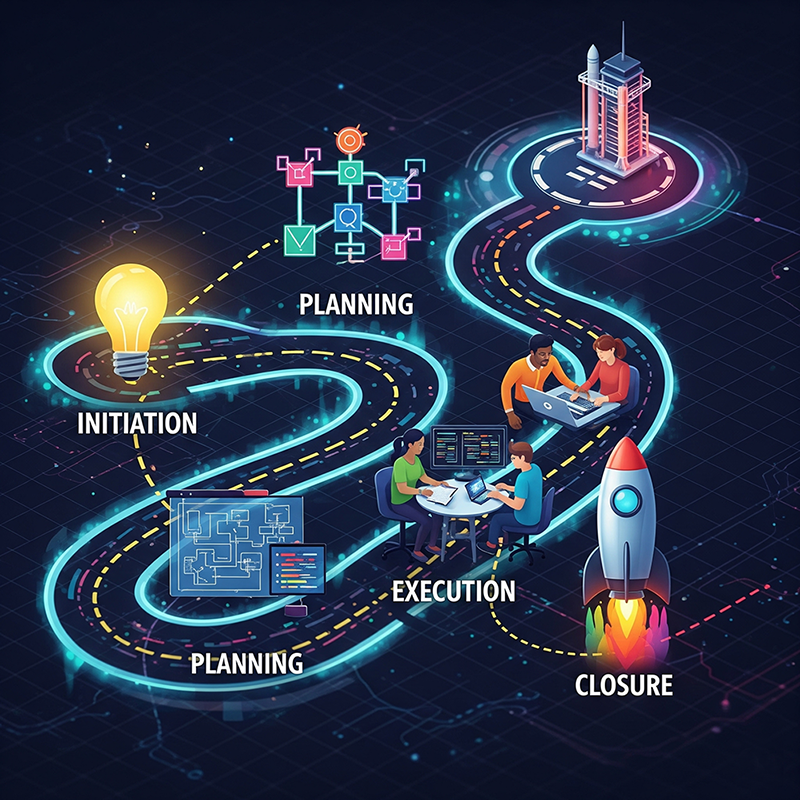
Just like a GPS guides you from Point A to Point B, a project roadmap gives your team a clear path to follow. It breaks down the whole journey into four simple, easy-to-understand phases. Think of them as the major checkpoints on your way to success.
Phase 1: Initiation (The “Aha!” Moment)
This is where it all begins. Someone has a great idea, and the team decides if it’s worth pursuing. This phase is all about the big questions:
- What are we trying to build?
- Who is it for?
- Is this even possible to do right now?
The goal here isn’t to start coding; it’s to define the project’s purpose and get everyone on the same page. It’s like picking your destination in the GPS before you start driving.
Phase 2: Planning (The “Let’s Get Organized” Phase)
This is where the real strategy happens. You know where you’re going, so now you figure out how to get there. In this phase, you’ll:
- Create a timeline: When does each part of the project need to be finished?
- Assign tasks: Who is doing what? (Spoiler: we’ll talk more about team roles in the next article!)
- Gather your resources: What tools, software, and money will you need?
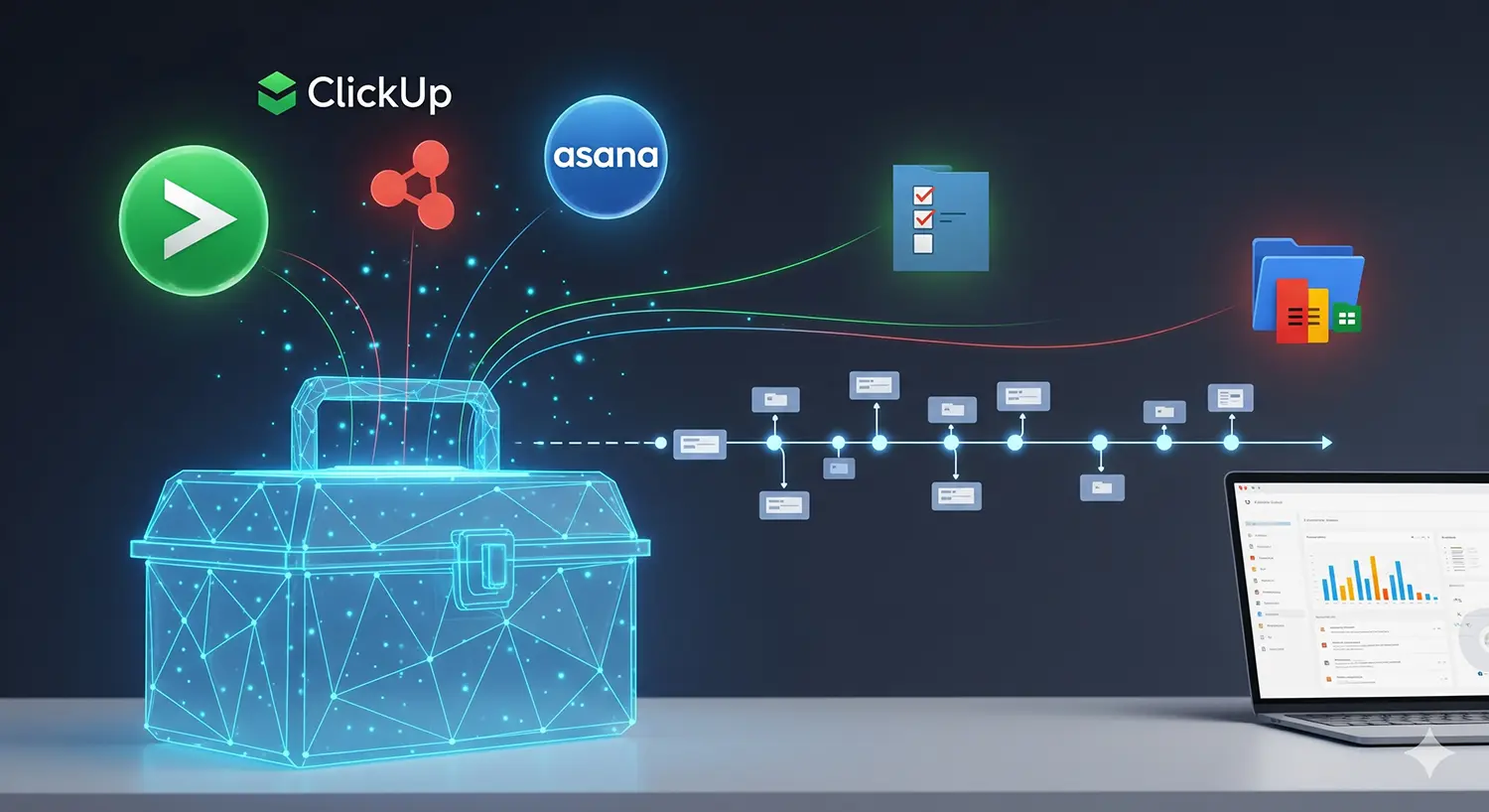
Planning is crucial. It’s the difference between a smooth ride and getting stuck in traffic. This is where a simple tool, like a shared Trello board, can make all the difference.
Phase 3: Execution (The “Making It Happen” Phase)
This is the fun part—the actual building! The designers are creating, the developers are coding, and the testers are, well, testing. The project manager’s job here is to keep the team on track and make sure everyone has what they need to get their work done.
Think of it as the actual drive. The GPS is on, and you’re following the directions. Sometimes you hit a detour or run into a little traffic, but the roadmap helps you navigate those challenges and keep moving forward.
Phase 4: Closure (The “We Did It!” Phase)
Congrats! The project is finished. This phase is about wrapping everything up. This means:
- Launching the product: Hitting that “publish” button.
- Handing it over: Giving the client or the end-user what they asked for.
- Reviewing the journey: What went well? What could we do better next time?
Closure is not just the end of the road; it’s a chance to celebrate your success and learn from the experience, making your next project even better.
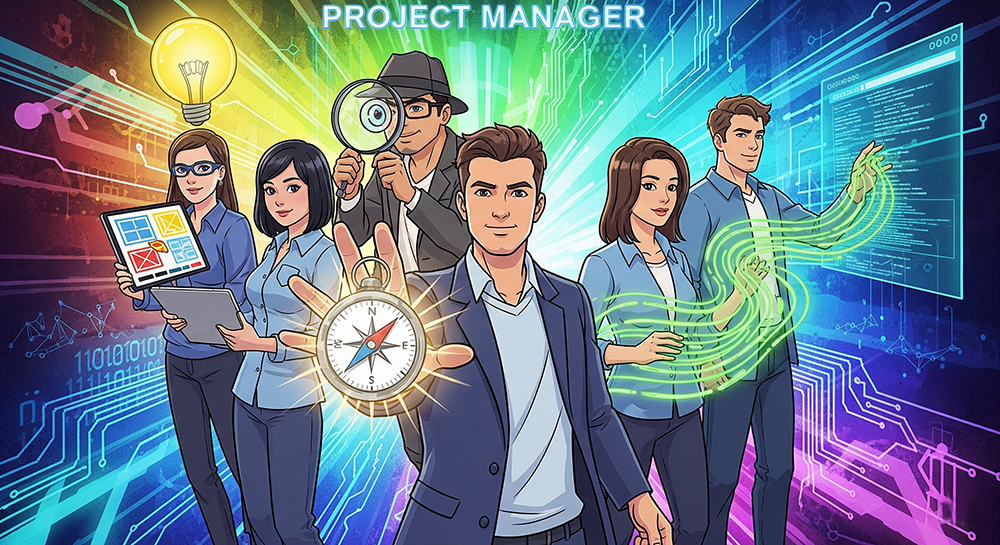
Now that you know the different phases of a project, you’re probably wondering who does what. In our next article, we’ll introduce the key players and their roles in a tech project.